
In LaFayette, Alabama, the math was stark. Two primary care physicians. A town of 2,700. No urgent care facility. No local pediatric services. Both physicians operating at full capacity—and both nearing retirement.
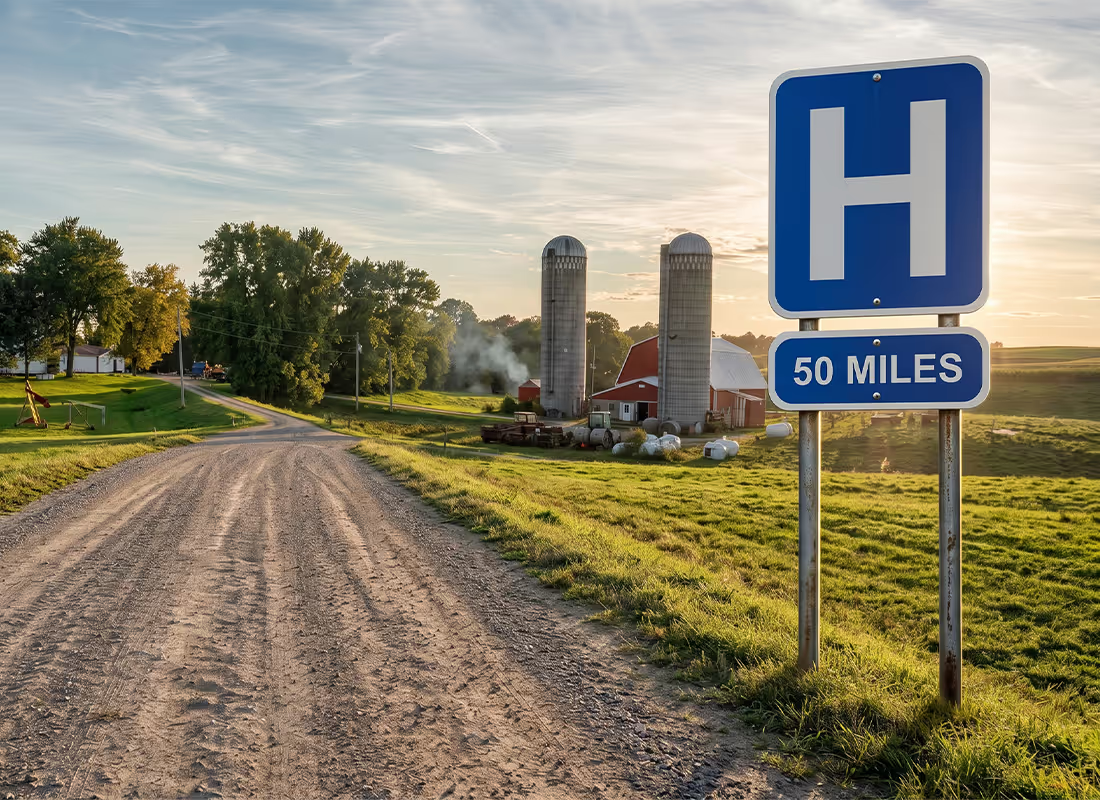
For most residents, getting care meant a 30–45 minute drive. Many skipped it altogether. Conditions went unmanaged. Emergency departments absorbed demand they weren't built to handle. The system wasn't failing because of a lack of effort. It was failing because it was never designed to reach communities like LaFayette at all.
Auburn University recognized that traditional healthcare models weren't going to solve this. A different approach was needed—one that could deliver care immediately, without construction, without new permanent infrastructure, and within a community that had learned to distrust solutions that promised more than they delivered.
The full Auburn University Rural Health Initiative case study covers the complete story—the access crisis in LaFayette, how the CareStation was embedded within Auburn's Rural Health Initiative, three years of utilization and clinical outcome data, the economic impact on the community, and a blueprint for replication across rural Alabama and beyond.
Download it to see how academic leadership, community partnership, and scalable care infrastructure can restore a reliable front door to care—without waiting for the system to catch up.
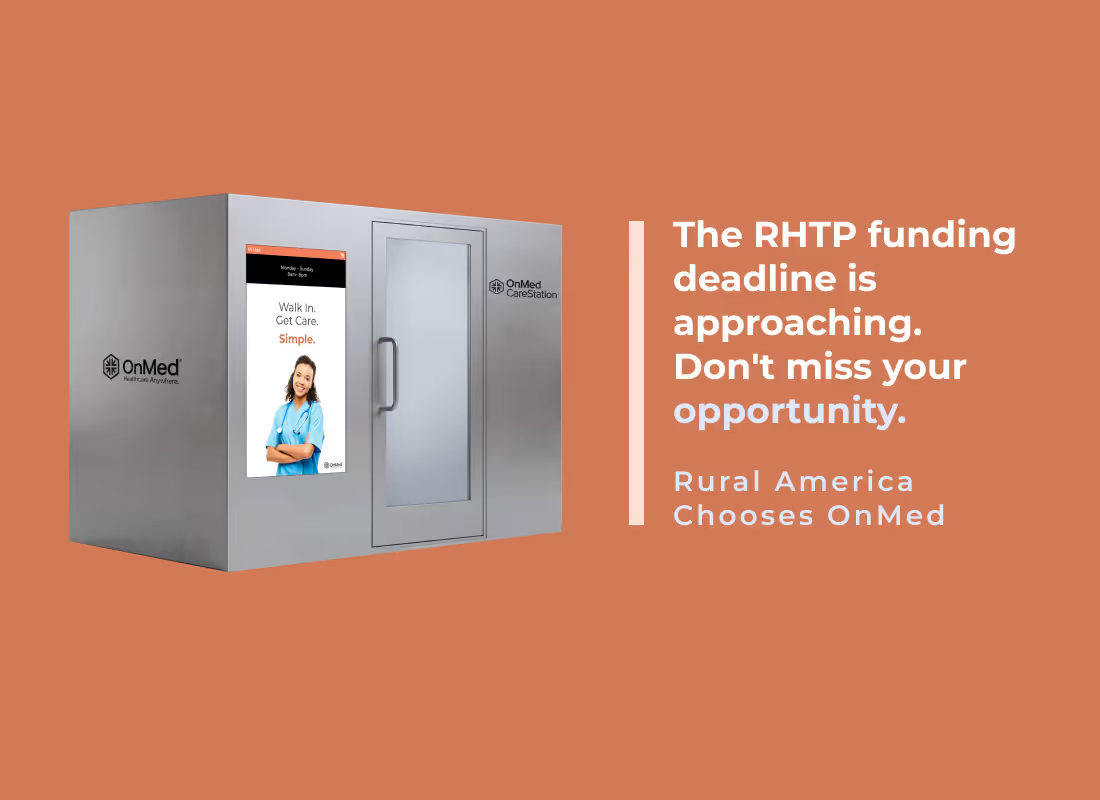
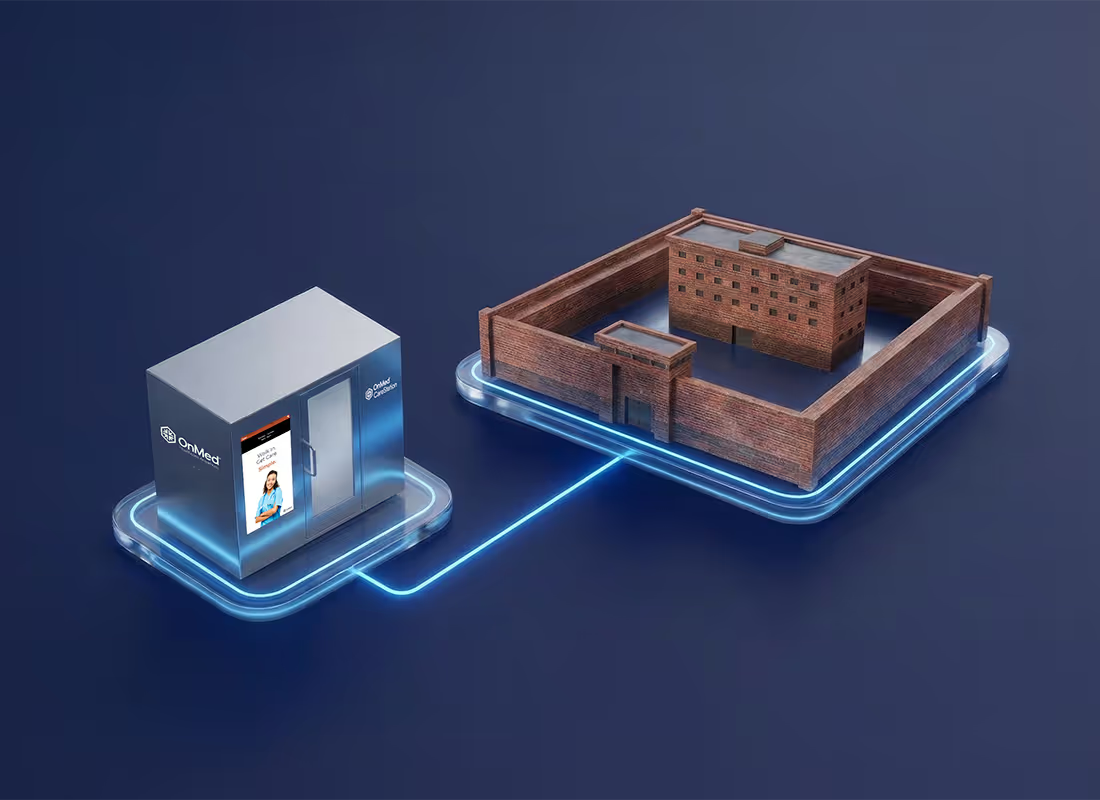
Through Auburn University's Rural Health Initiative, OnMed deployed an OnMed CareStation™ inside the Chambers County Community Health and Wellness Center. The CareStation is a patented 8×10 "Clinic-in-a-Box"—tech-enabled, AI-powered, and always human-delivered. It required one electrical outlet and was fully operational in 45 days.
Rather than functioning as a standalone device, it became a central access point embedded within a broader ecosystem of Auburn faculty engagement, Extension programming, and trusted community leadership. That integration is what turned utilization into trust—and trust into the numbers below.
Patient feedback confirmed what the data showed: a significant portion of residents would not have sought care at all if the CareStation had not been available. The barrier wasn't willingness. It was access.
"Over 98% walk out and say their needs were met. OnMed has been hands down the best partner that I've ever worked with. This OnMed CareStation™ is literally saving lives."
— Hollie C. Cost, Ph.D., Assistant VP of University Outreach & Public Service, Auburn University
Follow along as we continue to redefine the healthcare landscape and bring the OnMed CareStation to communities across the U.S.