
Reduce ED strain and clinician burnout. Cut costs, extend footprint, and reduce leakage.
$50B
SPENT ANNUALLY IN UNCOMPENSATED CARE
63%
OF PHYSICIANS ARE REPORTING BURNOUT, HIGHEST LEVELS EVER
2-3x
MORE LIKELY TO USE THE ED FOR PRIMARY CARE WHEN UNINSURED
MARKET CHALLENGE
80%
OF PATIENTS HAVE NO PCP, CARESTATION IS THEIR MEDICAL HOME
3 of 4
HAVE AT LEAST ONE CHRONIC CONDITION AND ARE NOW RECEIVING CARE
100%
OF PATIENTS REFERRED WITHIN PROVIDER NETWORK
In the carestation
The perfect blend of traditional "brick and mortar" and virtual care.


Easy Installation

Private

Secure

Device Ecosystem

Real-time Clinician

Self-cleaning
Tech-enabled. AI-powered. Human-delivered. Think of it as a Clinic-in-a-Box.









Read about how we’re transforming access to care by bringing the OnMed CareStation® to more communities across the U.S.
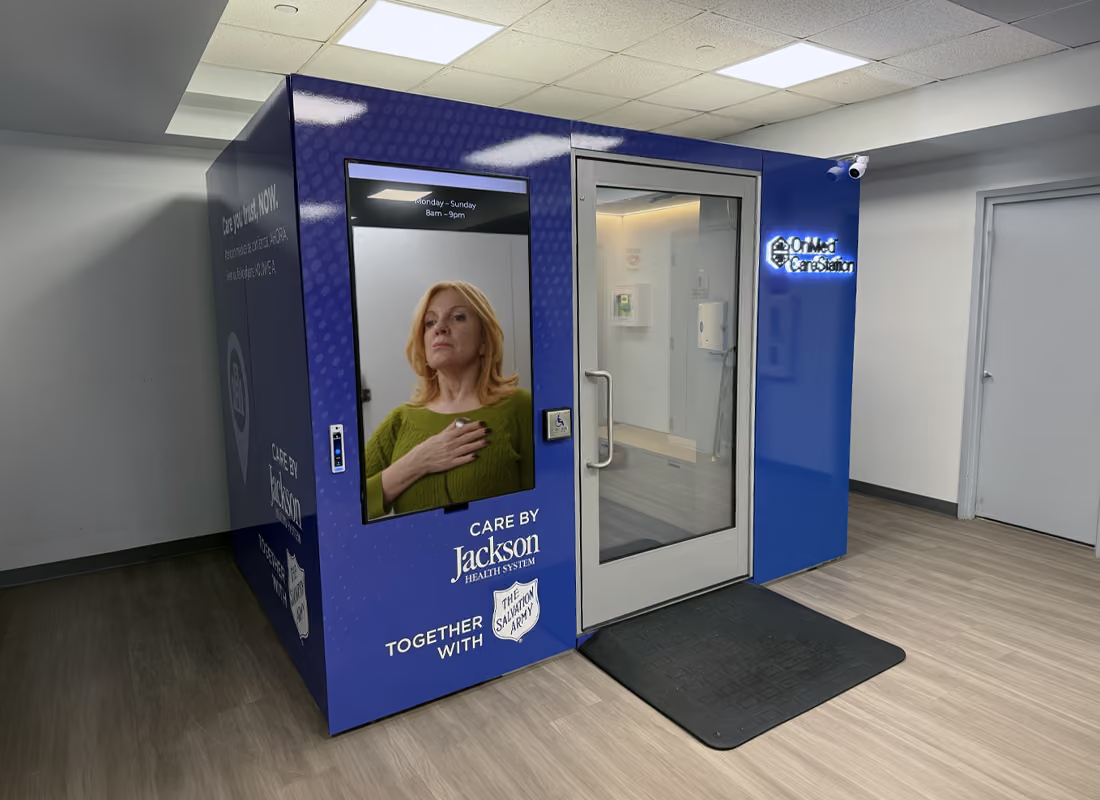
OnMed, the leader in tech-enabled hybrid-healthcare, is expanding access to care through the patented OnMed CareStation®, an 8x10 foot "Clinic-in-a-Box" that brings licensed clinicians and diagnostic tools through a fully integrated device and human platform. Remote clinicians can examine a patient, assess symptoms and provide treatment and prescriptions, blending the comprehensiveness and comfort of a traditional doctor's visit with the rapid scalability of virtual care. OnMed's tech ecosystem, and scalable infrastructure are designed to be deployed in communities where people live, work and gather, bringing access to healthcare without requiring the time, staffing and physical footprint of a traditional clinic. Learn more about OnMed and what we’re building.
The OnMed CareStation® is an 8-by-10-foot "Clinic-in-a-Box" that connects patients in real time with licensed clinicians and integrated diagnostic tools through a fully integrated device and human platform. Patients can walk in and receive a diagnosis, treatment plan, and e-prescription, often without an appointment or waiting room. Unlike traditional telehealth, the CareStation combines virtual care with diagnostic tools, real-time scans, and vital sign monitoring to support comprehensive clinical evaluations where care is needed most. See how a CareStation visit works.
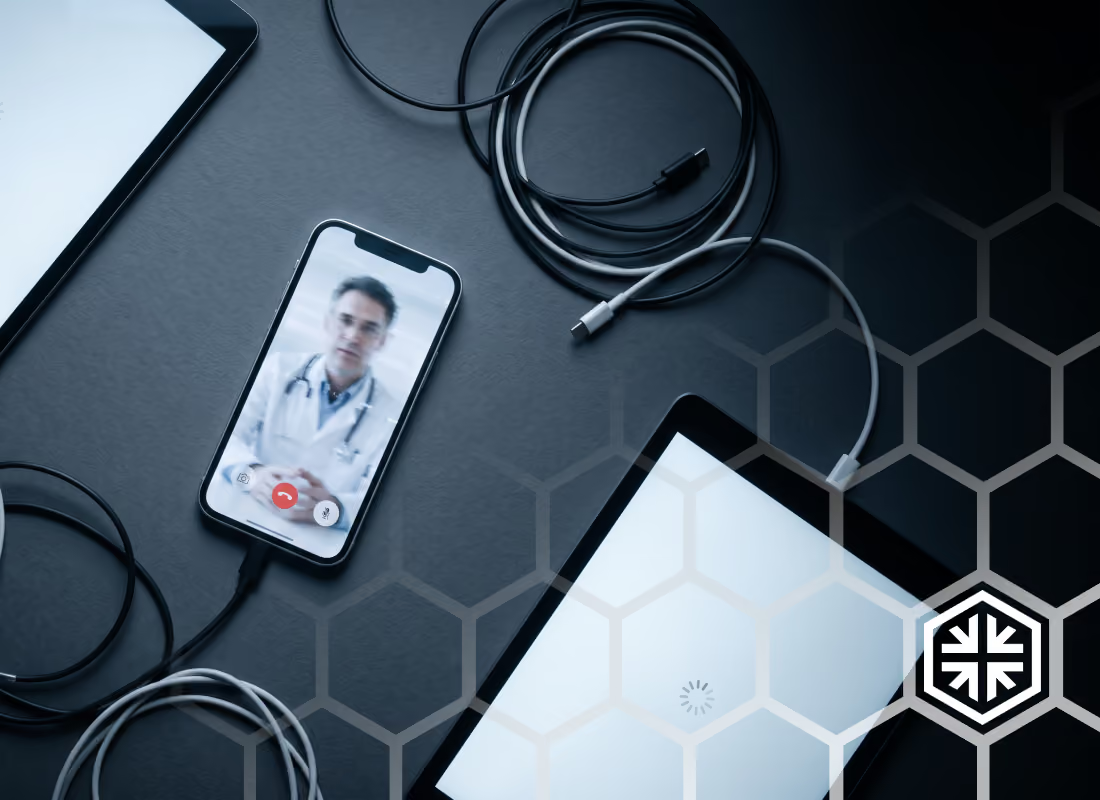
The OnMed CareStation® addresses two limitations of traditional telehealth: diagnostic capability and access. Traditional telehealth often lacks the clinical data needed to support diagnosis, and 1 in 5 Americans lack access to viable broadband. The CareStation combines live licensed clinicians with integrated diagnostic tools, including a digital stethoscope and HD exam camera, and broadband or satellite connectivity to help close both gaps. 86% of patients are treated in the CareStation without escalation to a specialist, ER, or urgent care. Read why diagnostic tools make the difference.
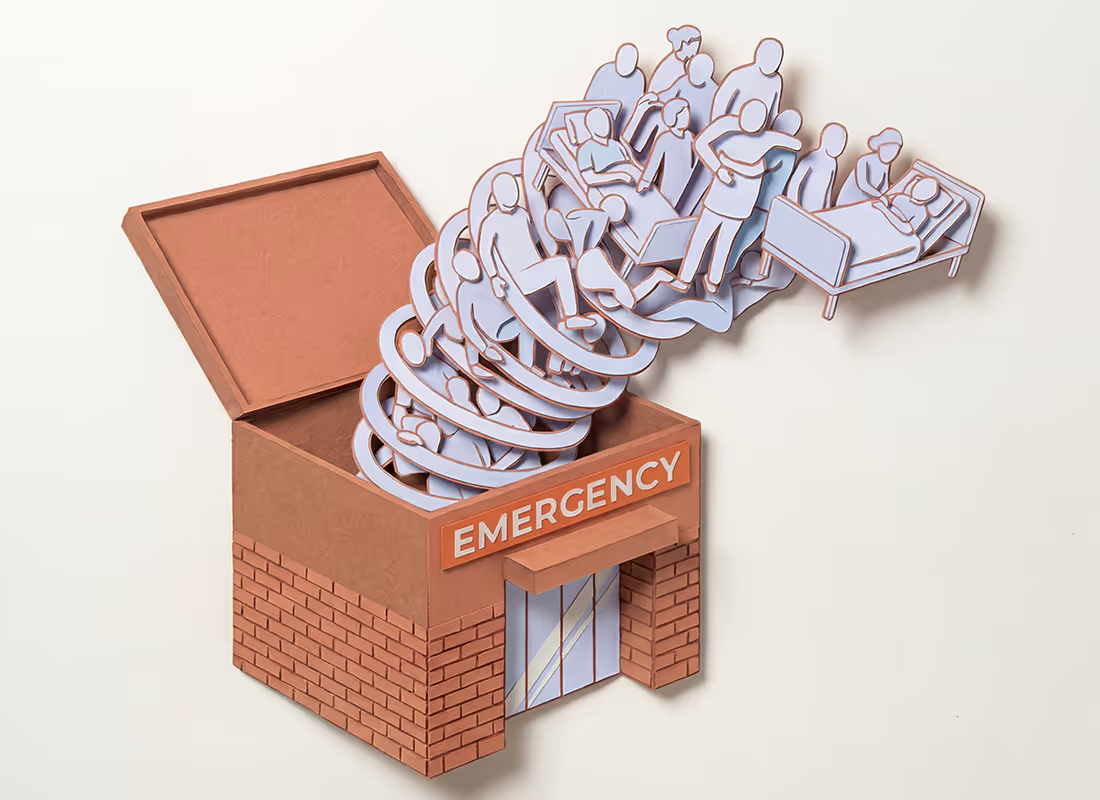
The OnMed CareStation® creates an additional care pathway for appropriate low-acuity conditions, helping health systems expand access, improve patient flow, and preserve emergency department capacity for higher-acuity patients. By moving appropriate patients into treatment more quickly, providers can reduce bottlenecks and improve throughput without building new facilities. Read how health systems are cutting ED strain without building.
A patient who seeks care outside your network doesn’t just cost one visit. They cost every downstream encounter that care generates: imaging, labs, follow-up, interventional procedures, and potential hospitalization. The lifetime value of a captured patient is substantial. The CareStation functions as a branded extension of your health system—every visit documented in your workflows, every referral routing back into your network. Patients who would otherwise be lost due to PCP, no care continuity, no relationship with a provider, become reachable, assessed, and routed into the right care pathway. That is patient acquisition, population health management, and ER diversion happening simultaneously at the same point of entry. Read how health systems stop patient leakage and expand access.
Yes. The OnMed CareStation® can be deployed within or alongside emergency department workflows to support appropriate low-acuity patients while preserving emergency department resources for higher-acuity care. Following the appropriate medical screening process, eligible patients may be directed to the CareStation according to hospital protocols. See how health systems are returning emergency departments to emergency medicine.
The OnMed CareStation® is designed to support established emergency department workflows. Following the appropriate medical screening process, eligible patients may be directed to the CareStation in accordance with hospital protocols and applicable regulatory requirements. Learn how health systems reduce ED strain while preserving emergency department capacity.
The OnMed CareStation® helps connect patients to appropriate follow-up care within the health system. Across OnMed deployments, 100% of patients requiring referral are referred within the provider network, helping support continuity of care, strengthen care coordination, and reduce patient leakage. Read how health systems reduce patient leakage and expand access.
The OnMed CareStation® helps expand access to care, strengthen continuity of care, and connect patients to appropriate follow-up services. Across OnMed deployments: