
OnMed is transforming how the world accesses healthcare. With its
patented OnMed CareStation®, an 8×10 foot "Clinic-in-a-Box", OnMed
delivers comprehensive, immediate care wherever people live, work,
and learn.
This glossary explains the terms, policies, and technologies behind everyday healthcare, anywhere.

ACUHO-I, the Association of College and University Housing Officers-International, is the field's primary professional association for campus housing and residential life leadership.

After-Hours Care Gap refers to the structural absence of clinical support once a campus health center's weekday daytime hours end, leaving Resident Assistants and Residence Hall Directors as the default first response.

The ARC POWER Initiative is a federal grant program run by the Appalachian Regional Commission that funds economic diversification, including healthcare workforce pipelines, in coal-impacted communities.

An ASO health plan is a self-funded arrangement in which the employer contracts with a carrier or TPA purely for administrative functions while retaining the financial risk.

CAA compliance refers to disclosure requirements under Section 202 of the Consolidated Appropriations Act, 2021, mandating brokers and consultants disclose all compensation connected to their recommendations.

A captive is an insurance arrangement in which an employer, or a group of employers, owns or participates in its own insurer to fund a defined layer of risk directly.

Care gap closure refers to identifying members who are due for a preventive screening, a chronic-condition check-in, or a follow-up they never completed, and getting that visit done before the gap turns into an escalation.

Care navigation is the function, human, digital, or both, that routes a patient to the appropriate care setting instead of the default most Americans fall back on: the emergency department.

Chronic care management is the structured, ongoing work of keeping a diagnosed chronic condition stable over time, rather than treating it only when it flares.

A chronic condition is a long-term health condition requiring ongoing management, and 3 in 4 U.S. adults live with at least one, per the CDC.
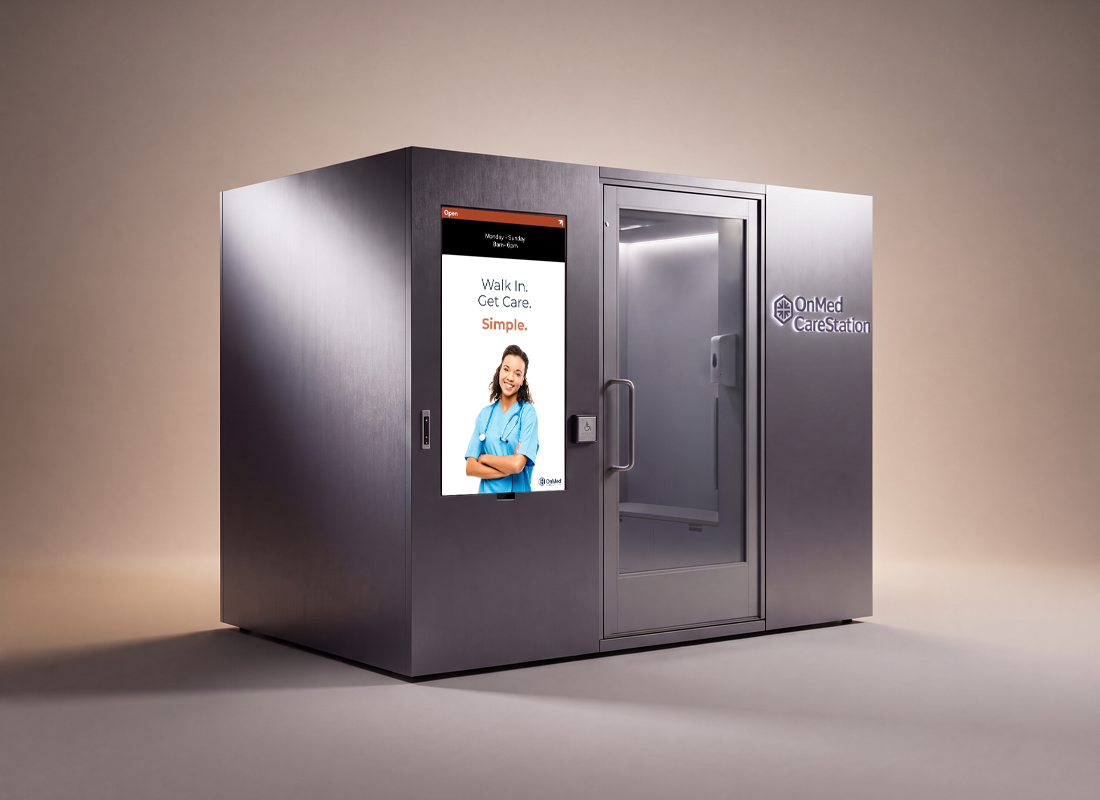
A Clinic-in-a-Box is a self-contained, deployable clinical environment that delivers comprehensive care without requiring construction, dedicated staffing, or a permanent facility.
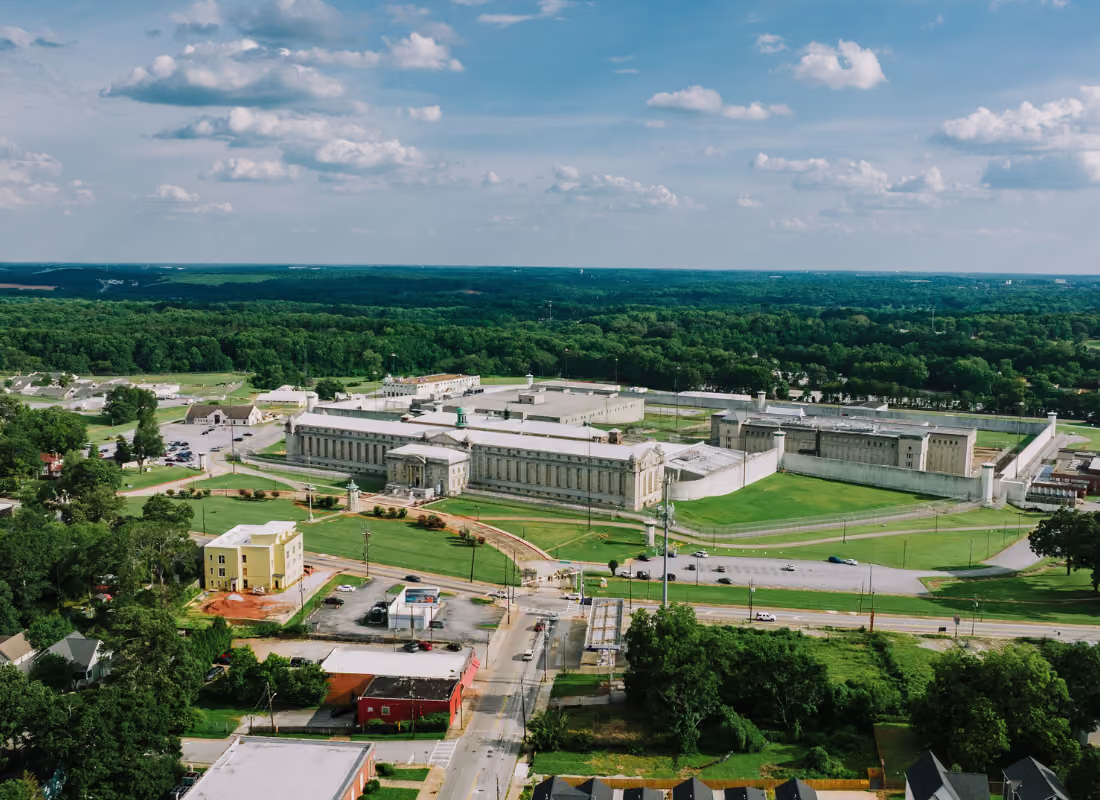
A court-approved, legally binding settlement agreement that requires a jail, prison system, or corrections department to fix specific, documented failures in the medical or mental health care it provides to incarcerated people.

CUPA-HR, the College and University Professional Association for Human Resources, represents more than 25,000 HR professionals at over 1,725 member institutions.

The Delta Regional Authority (DRA) is a federal-state economic development partnership serving roughly 252–255 counties and parishes across the lower Mississippi River Delta and Alabama Black Belt in eight states.

A Department of Justice program that funds state, local, and tribal government grants to improve corrections, reentry, and behavioral health outcomes within the criminal justice system, including healthcare-adjacent services delivered inside correctional facilities.

An employee benefits broker is a licensed insurance professional who helps employers, typically small to mid-size, navigate and select health and welfare benefit plans.

An employee benefits consultant provides comprehensive advisory services to larger employers on plan design, vendor selection, and regulatory compliance.

Employee health benefits are the healthcare-related coverage, programs, and services an employer offers as part of total compensation.

ERISA, the Employee Retirement Income Security Act of 1974, set federal standards for employer-sponsored benefit plans and allowed large employers to self-fund their own health plans.

EMR is a claims-history-based multiplier, calculated by NCCI or a state rating bureau, that adjusts a contractor's workers' comp premium based on claims history versus peers.

A Federally Qualified Health Center (FQHC) is a community-based healthcare provider that receives federal support and enhanced reimbursement to deliver comprehensive care in medically underserved communities, regardless of ability to pay.

GLP-1 medications, originally developed for diabetes management, have become the single hottest cost issue for employer benefits leaders and their brokers heading into 2026.

A significant share of employer worksites sit in rural or semi-rural geographies where the nearest clinic or urgent care may be a meaningful drive away.
.png)
Healthcare cost containment refers to the strategies employers use to control the growth of healthcare spend, claims, and premiums without simply cutting benefits.

A Health Professional Shortage Area (HPSA) is a federal designation issued by HRSA identifying a geographic area, population group, or facility with too few primary care, dental, or mental health providers relative to need.

A High-Deductible Health Plan (HDHP) pairs a lower monthly premium with a higher annual deductible, meeting IRS thresholds required to be paired with an HSA.

The Higher Education Emergency Relief Fund (HEERF) was a series of three federal emergency grant programs, totaling roughly $75 billion, that provided direct financial relief to colleges, universities, and students between 2020 and 2023.

The HRSA Rural Health Care Services Outreach Program is a community-based grant program that funds consortiums of at least three healthcare provider organizations to expand, enhance, and sustain rural healthcare delivery.

HRSA funding that helps existing Health Center Program grantees open or expand primary care, mental health, oral health, and substance-use services co-located at a school, extending an existing health center's reach rather than funding the school's own health office.

Health Savings Account and Flexible Spending Account eligibility rules under IRC Section 213(d), which determine whether care delivered at an on-site health clinic qualifies for tax-advantaged reimbursement the same way an outside doctor's visit would.

A hyperscale data center is a large-scale computing facility, often exceeding 100,000 square feet with power demands in the hundreds of megawatts.

A set of federal programs — including the Small Ambulatory Program, Capital Infrastructure Program, and Joint Venture Construction Program — that help federally recognized tribes build, expand, or modernize healthcare facilities serving American Indian and Alaska Native communities.

Jobsite safety in data center construction addresses an elevated hazard profile: electrical hazards, fire risk, confined space entry, and work at height.

A level-funded health plan is a hybrid financing arrangement combining a relatively small self-funded component with stop-loss insurance.

MLR is the percentage of premium revenue a carrier is required, under the ACA, to spend on medical care rather than administrative costs.

Network adequacy is a state and federal regulatory requirement that health plans maintain a sufficient number and geographic distribution of contracted providers.
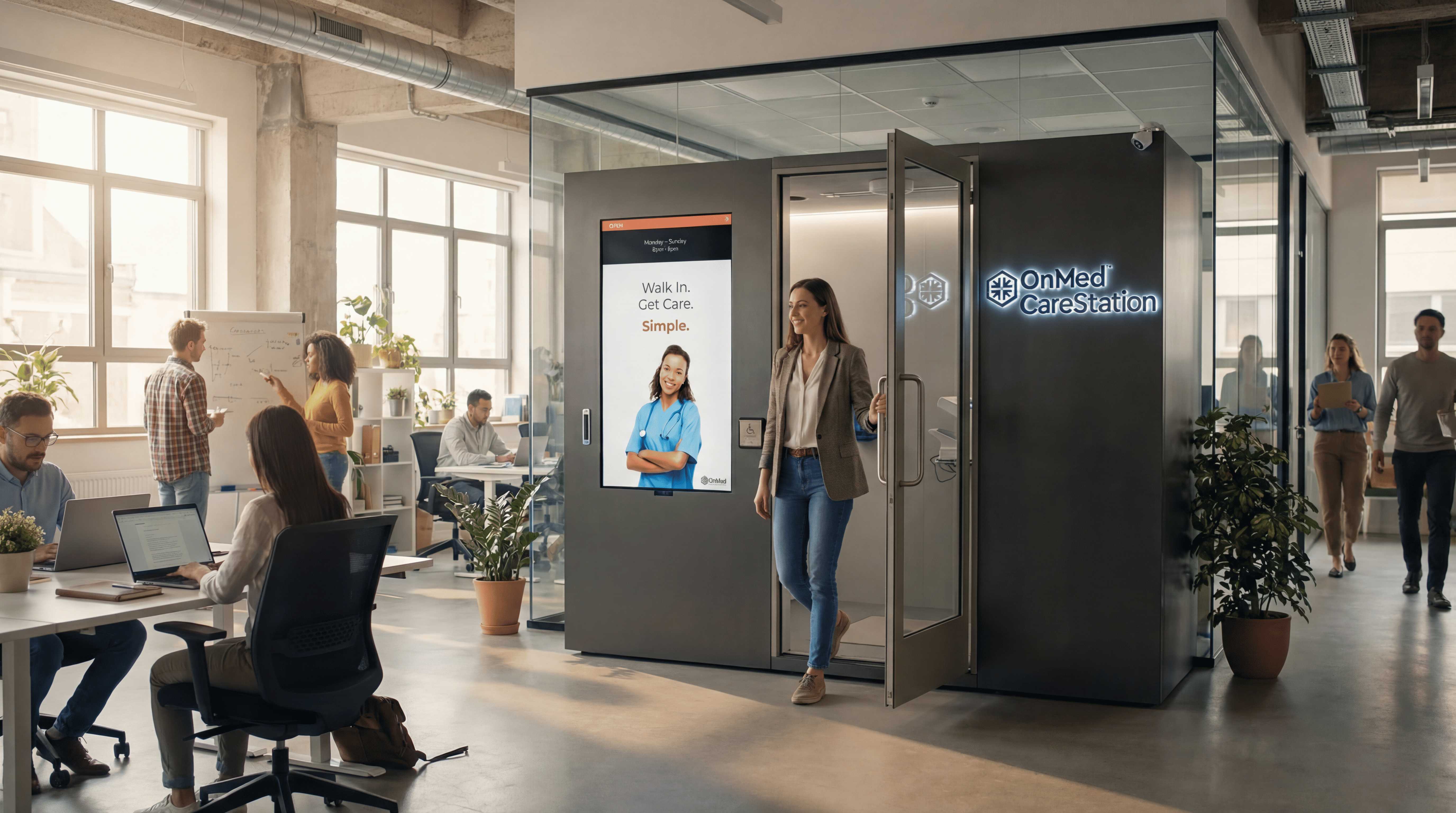
An on-site clinic is a clinical care access point deployed at or near an employer's worksite so employees can be evaluated and treated without leaving the building.

An OSHA incident rate, most commonly expressed as TRIR, measures OSHA-recordable injuries per 100 full-time workers per year.

Population health management shifts the unit of analysis from the individual visit to the entire covered population.

Preventive care is covered pre-deductible under most High-Deductible Health Plans by IRS safe harbor rules under Section 223 of the Internal Revenue Code.

Remaining ARPA funds refers to the unspent portion of the $350 billion State and Local Fiscal Recovery Funds (SLFRF) program, which must be fully expended by December 31, 2026.

A Residence Hall Director (RHD) manages a residence hall's day-to-day operations and typically lives on-site, often becoming the de facto first responder to a medical issue at night.

Resident assistant (RA) training covers conflict resolution, policy enforcement, community-building, and basic first aid or CPR, but not clinical judgment.

The Rural Health Transformation Program (RHTP) is a $50 billion federal initiative administered by CMS to strengthen and modernize rural healthcare across the United States over five years (FY2026–FY2030).

A Section 1115 Medicaid waiver is a federal authority that lets HHS approve state-designed pilot or demonstration Medicaid projects, even when they'd otherwise conflict with standard Medicaid rules.

A self-funded health plan is one in which the employer pays claims directly rather than purchasing insurance, made possible by ERISA's preemption and "deemer" clauses.

A self-funded employer pays claims directly out of its own funds, while a fully insured employer pays a fixed premium to a carrier, which assumes the claims risk.

State opioid settlement funds are the collective pool of more than $50 billion nationally that states, cities, counties, and tribal governments are receiving from legal settlements with opioid manufacturers, distributors, and pharmacy chains.

Stop loss insurance is the financial backstop self-funded employers purchase to cap their exposure to catastrophic claims.
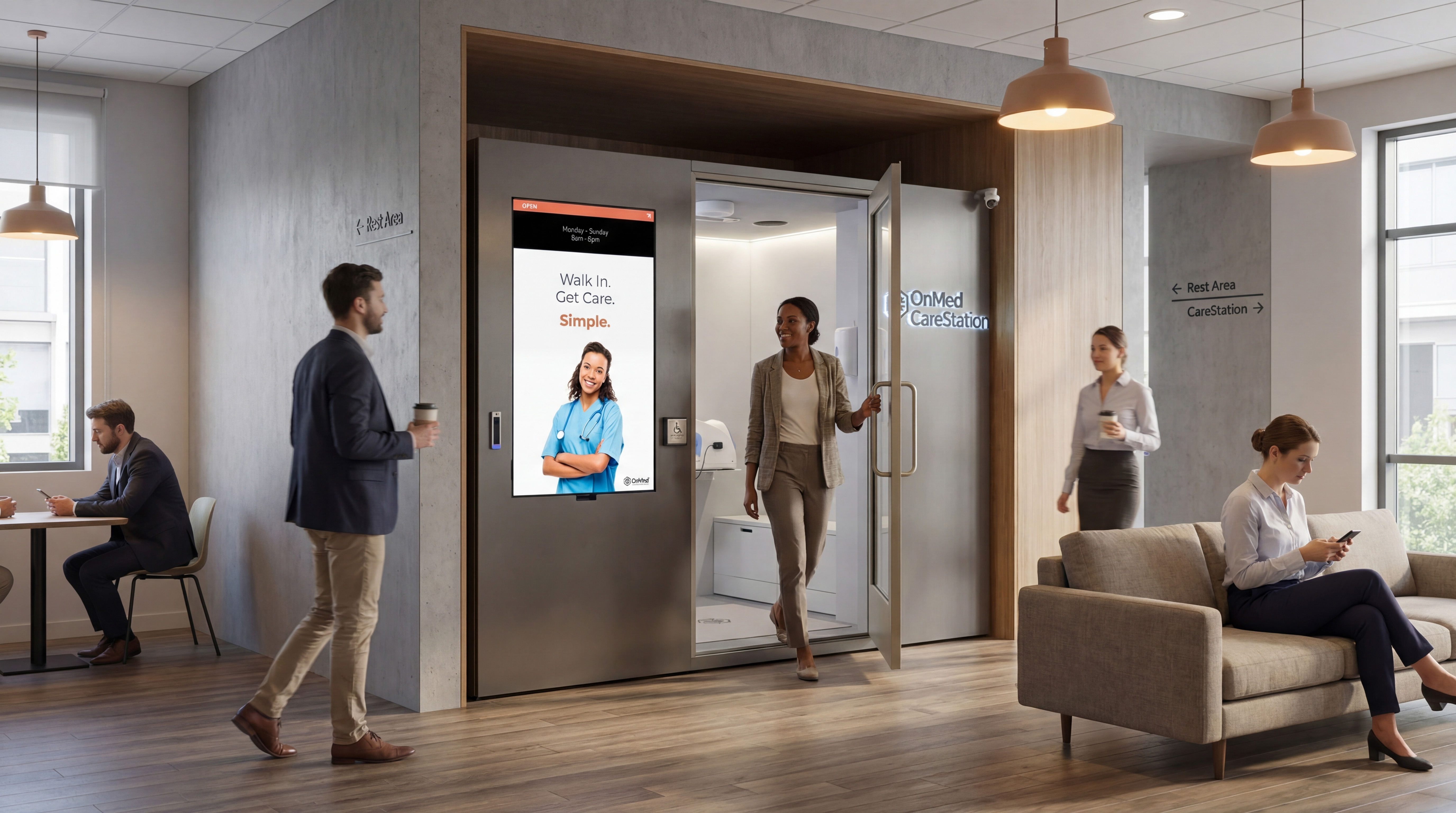
Telehealth and on-site care solve for different things: telehealth connects an employee to a clinician over video, while on-site care adds a physical exam and integrated diagnostic tools.

A third-party administrator (TPA) handles claims processing, network access, and compliance for a self-funded plan without assuming the plan's financial risk.

The Strengthening Institutions Program (Title III, Part A of the Higher Education Act) is a discretionary federal grant that helps eligible, under-resourced colleges become more self-sufficient.

Total cost of care is the sum of every dollar a health event produces across the full episode, not just the line-item cost of the first visit.

The Distance Learning and Telemedicine (DLT) Grant Program is a competitive USDA grant that funds telecommunications equipment enabling distance learning and telemedicine services in rural communities.

Value-based care ties provider and plan reimbursement to patient outcomes and quality performance rather than service volume, per CMS.

Virtual health is the umbrella term for any healthcare service delivered without an in-person encounter: video visits, asynchronous messaging, remote monitoring, and health apps.

The federal tax advantages employers and employees receive when a workplace health program is structured to meet IRS rules under Internal Revenue Code Section 213(d) and Section 162, the same provisions that make traditional medical benefits tax-favored.

Workers' compensation covers medical care and lost wages for employees injured on the job, and the cost is driven more by how quickly an injury is triaged than by its severity.