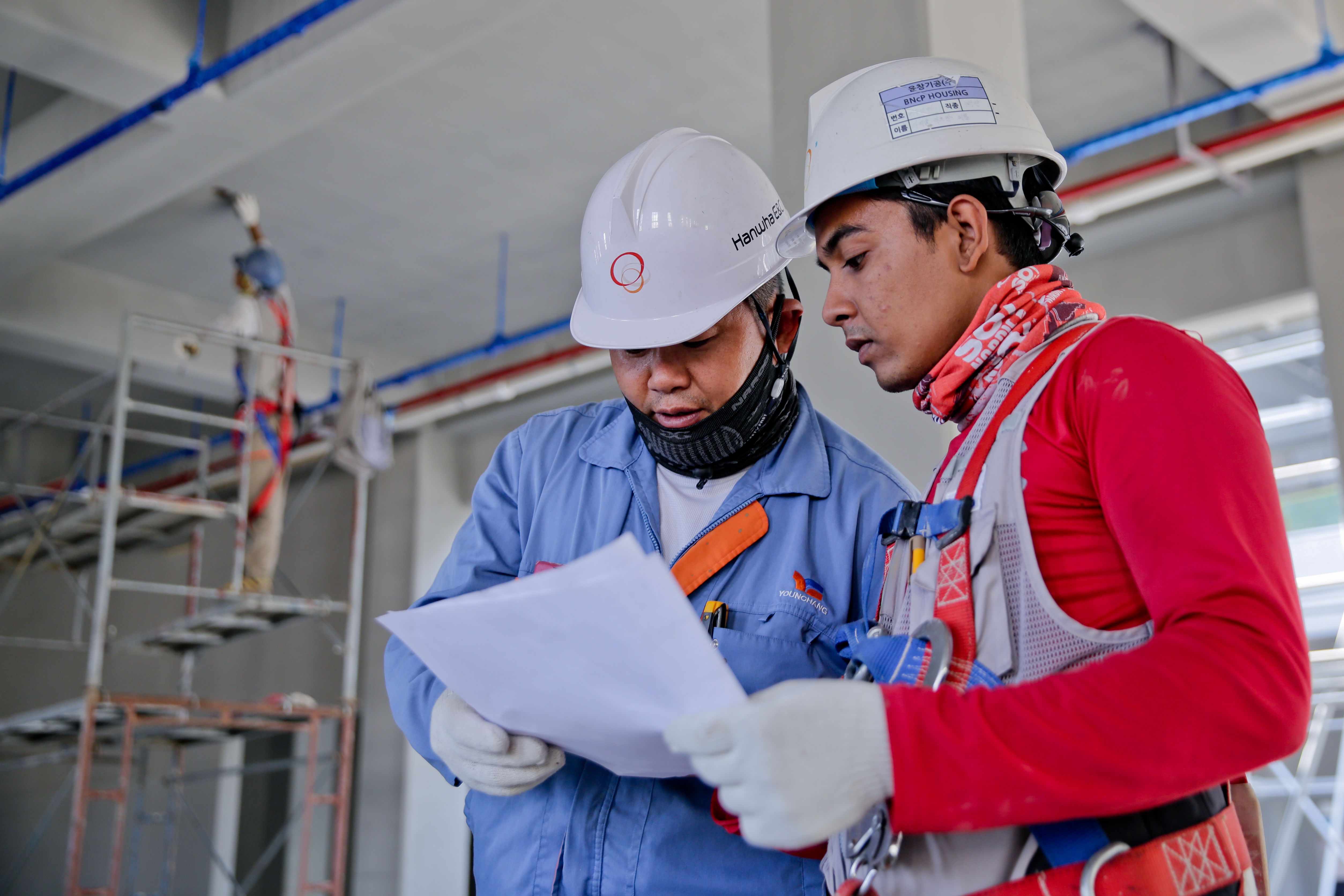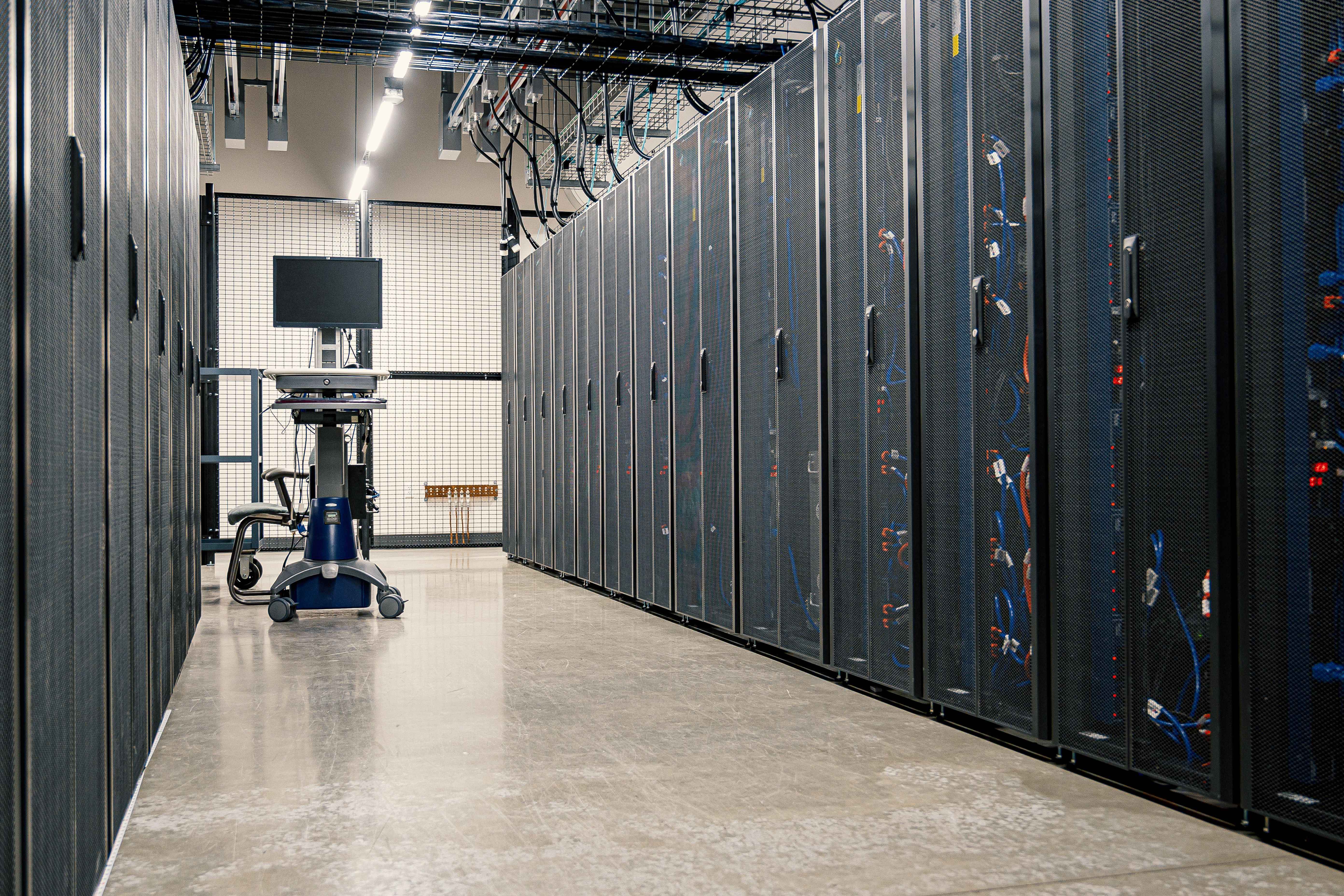

Jobsite safety addresses the elevated hazard profile common to industrial and construction environments: electrical hazards, work at height, confined space entry, and fire or equipment risk from heavy machinery, chemicals, or dense power infrastructure. Manufacturing plants, logistics hubs, general construction, and increasingly data center campuses all share this hazard profile, even as the specific mix varies by site.
On-site clinics are already a recognized part of how these industries manage that risk, since a jobsite injury becomes far more severe the longer it takes to treat—and on a remote or industrial site, "longer" often means the drive time to the nearest urgent care or ED.
Faster on-site treatment moves the same needle on both a contractor's Experience Modification Rate and OSHA incident rate, because both metrics hinge on the same narrow clinical line: whether treatment stays within OSHA's first-aid list—a cleaned wound, a butterfly bandage—or crosses into medical treatment beyond first aid, like sutures or a prescription. Cross that line, and the same injury becomes both an OSHA-recordable case and a formal workers' comp claim in the EMR calculation. Stay within it, and neither metric moves.
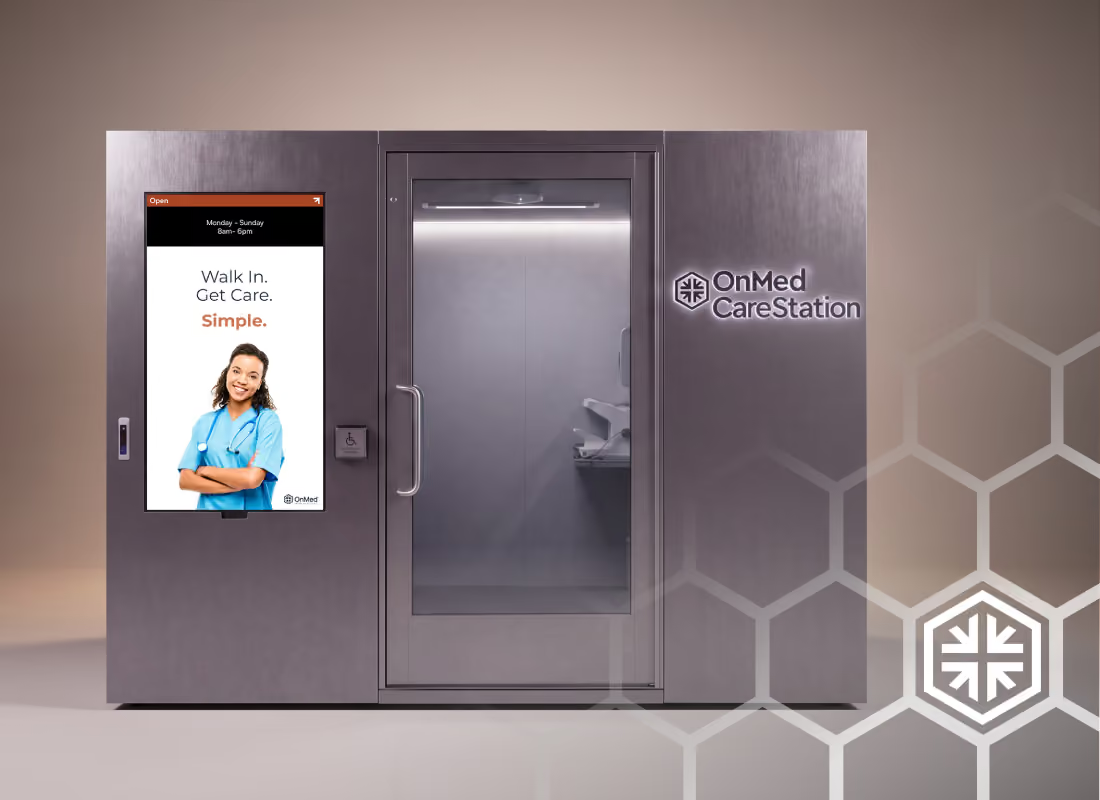
That line is exactly where a real clinician matters more than a first-aid kit or a safety officer's best guess. Without one, jobsites tend to default one of two ways: undertreat out of convenience, or overtreat and send the worker off-site for anything ambiguous, since nobody on-site is actually qualified to make the first-aid-versus-medical-treatment call with confidence. The OnMed CareStation® is built to close that gap: a licensed clinician, supported by integrated diagnostic tools, makes that determination in real time at the point of injury—not a guess, and not a reflexive trip off-site. Its 8×10-foot footprint and dual broadband/satellite connectivity also match how a jobsite actually works: temporary, often remote, and relocated once a project moves to its next phase. That's why owners and general contractors increasingly screen EMR and OSHA incident rate together as a combined safety-eligibility gate—a practice that took hold first in hyperscale data center construction, given the stakes described in the EMR entry, and is spreading to other high-value industrial builds.
Data center construction carries elevated jobsite risk including electrical hazards, fire risk, confined space entry, and work at height, driven by the scale and complexity of the electrical and mechanical systems involved.
Yes. On-site clinics are already a recognized part of how tech and data center construction projects manage jobsite risk, particularly on remote or rural sites far from the nearest urgent care or ER.
No. TRIR measures recordable injury frequency directly and near-real-time; EMR is an insurance-industry multiplier based on a three-year claims cost history with a built-in reporting lag. Owners often screen contractors using both metrics together.
Every term here points to the same gap in healthcare access. See how the CareStation closes it.
Talk to Our Team