See how one structural challenge impacts healthcare costs, outcomes, and workforce stability.

Approximately 80% of U.S. counties experience some form of healthcare access gap, and roughly 120 million Americans lack adequate access to care. The gap isn’t limited to rural communities. It shows up in cities and suburbs too, wherever long wait times, clinician shortages, high costs, or cultural barriers keep people from getting care.
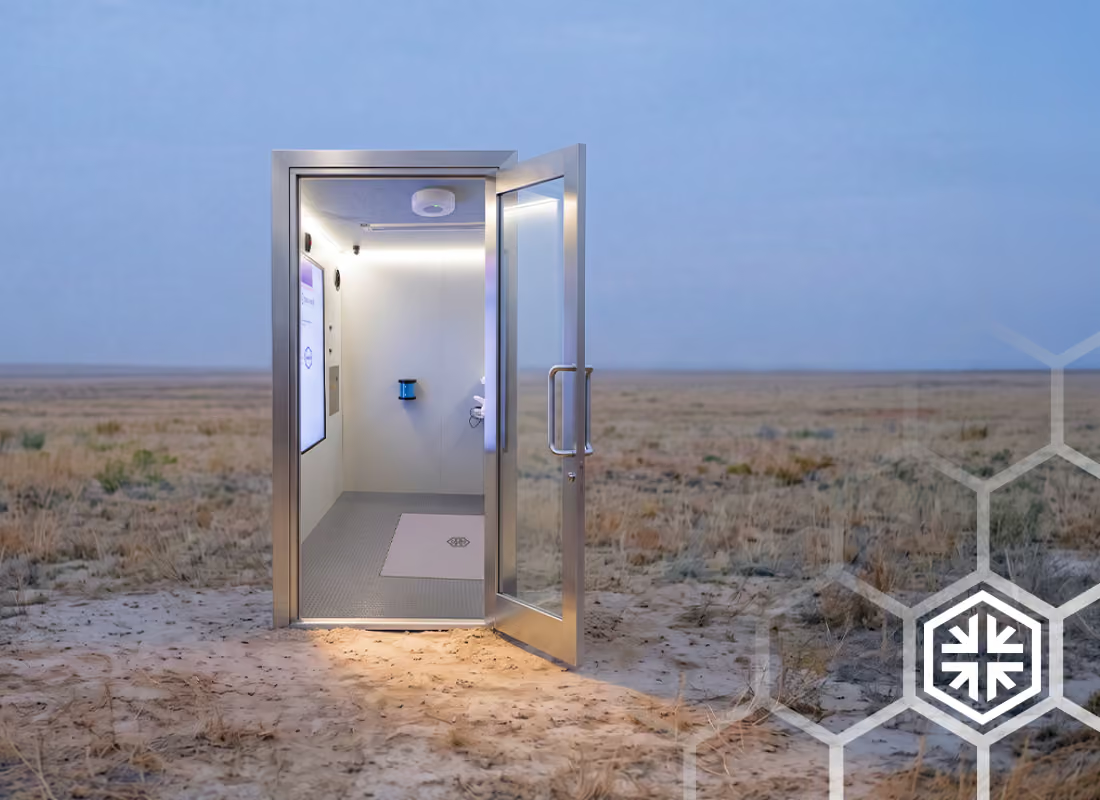
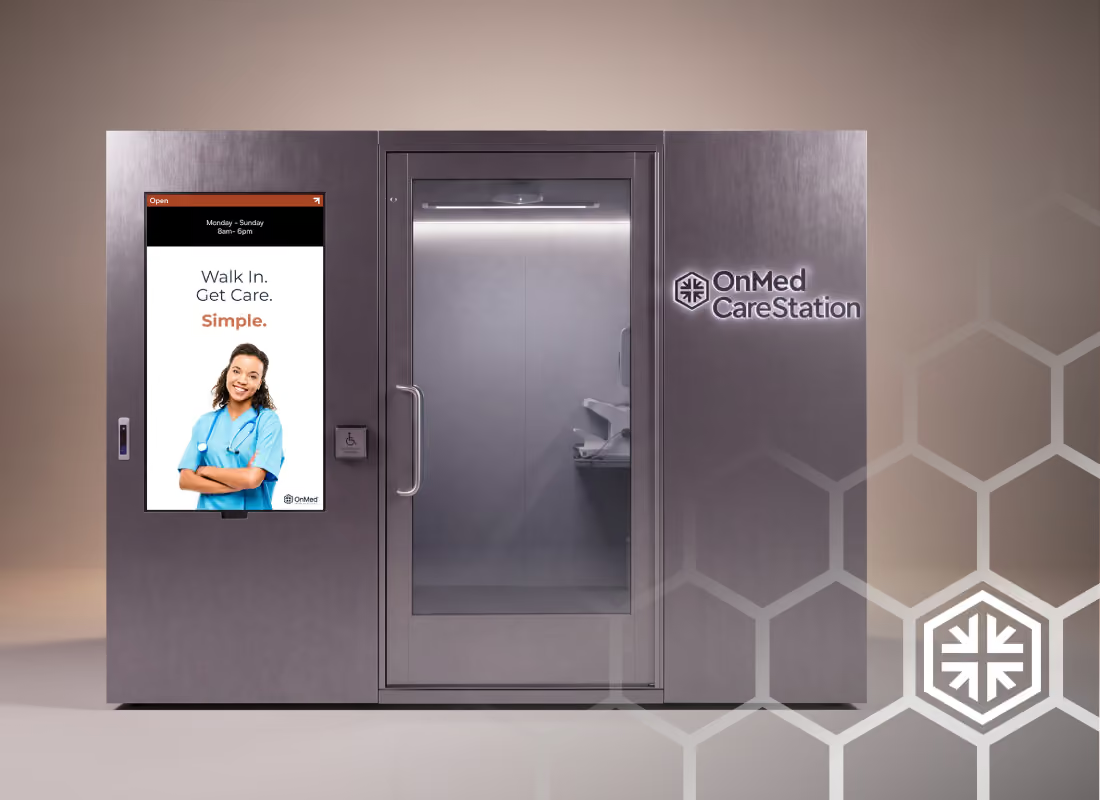
OnMed is building the missing platform that allows healthcare access at scale. The OnMed CareStation® is an 8×10-foot “Clinic-in-a-Box” that blends the comprehensiveness and comfort of a traditional doctor’s visit with the rapid scalability of virtual care. A licensed clinician and integrated diagnostic tools come together in one private space, placed where people already live, work, and learn. It can be deployed in as little as 45 days, with no construction.
Here are eight things to know.
The OnMed CareStation® is an 8-by-10-foot “Clinic-in-a-Box” that connects patients in real time with licensed clinicians and integrated diagnostic tools through a fully integrated device and human platform. Patients can walk in and receive a diagnosis, treatment plan, and e-prescription, often without an appointment or waiting room. See how a CareStation visit works.
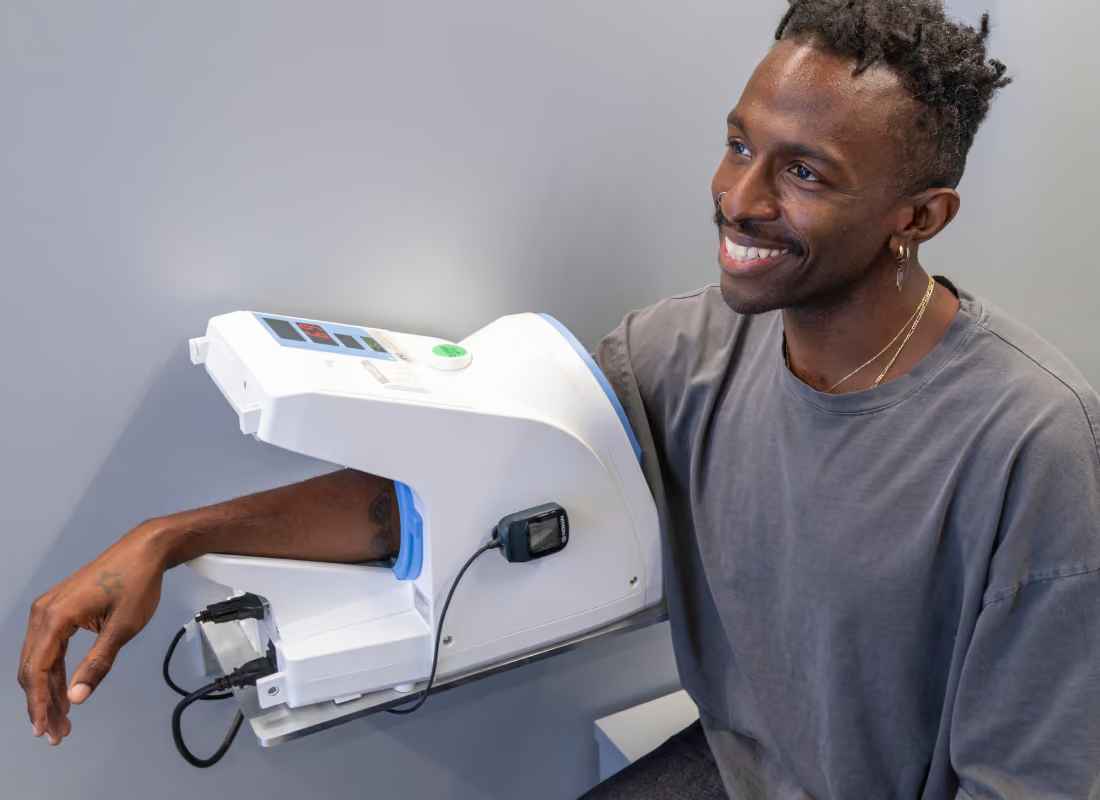
A patient enters a private, ADA-compliant space and connects in real time with a licensed clinician on a 55-inch life-size display. Integrated diagnostic tools—digital stethoscope, HD camera, thermal imaging, pulse oximetry, blood pressure monitoring, otoscope, and weight scale—allow the clinician to conduct a full clinical-grade evaluation.
Remote clinicians can examine a patient, assess symptoms and provide treatment and prescriptions, blending the comprehensiveness and comfort of a traditional doctor’s visit with the rapid scalability of virtual care. OnMed’s tech ecosystem, and scalable infrastructure are designed to be deployed in communities where people live, work and gather, bringing access to healthcare without requiring the time, staffing and physical footprint of a traditional clinic. Learn more about OnMed and what we’re building.
The CareStation treats everyday conditions such as colds, flu and COVID, pink eye, allergies, bronchitis and asthma, rashes, acid reflux, headaches, back and muscle strains, and medication refills. It also supports management of chronic conditions including hypertension, diabetes, asthma, obesity. Find a CareStation near you.
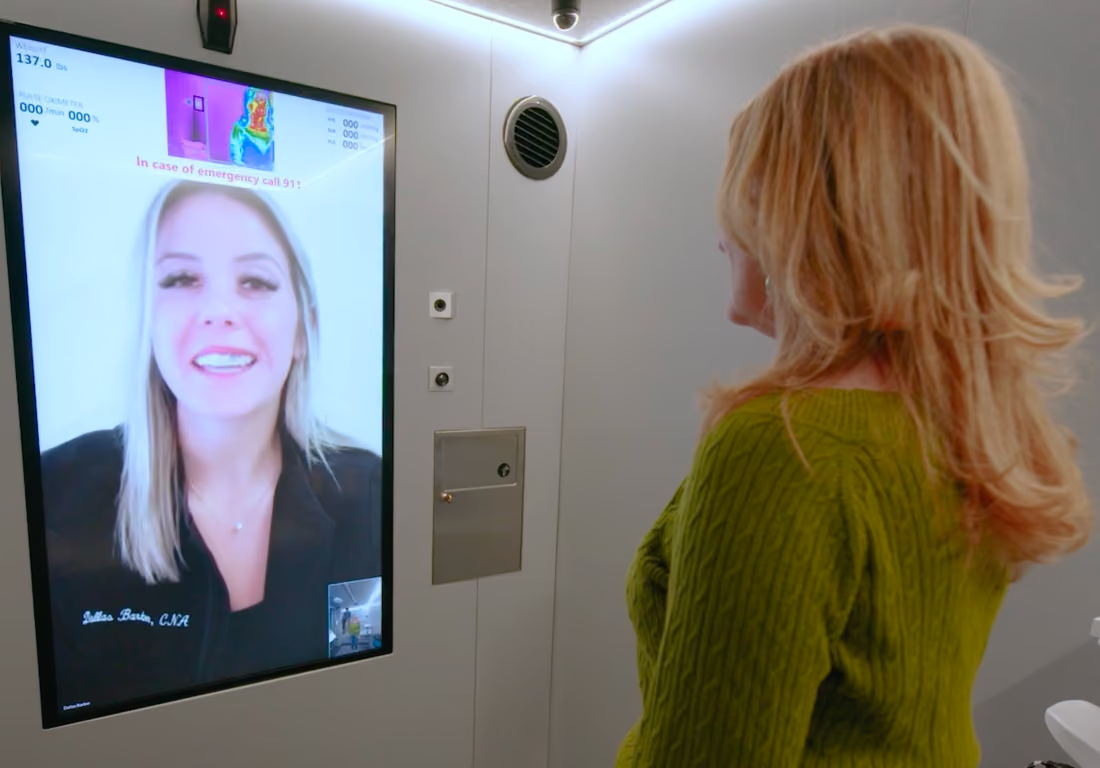
86% of patients are fully treated inside the CareStation without redirection to a specialist, urgent care, or emergency room. A typical visit takes about twenty minutes, ends with a diagnosis, an e-prescription, and next steps, and requires no appointment.
OnMed follows HIPAA regulations, securely storing personal data for 10 years. Once a visit begins, the door locks and the glass automatically fogs, preventing visibility into the unit. CareStations follow CDC cleaning guidelines and feature antimicrobial walls and 24/7 air filtration proven to remove 99.9% of airborne viruses and bacteria. After each visit, the interior is disinfected with UVC light. Talk to OnMed about bringing a CareStation to your site.
The OnMed CareStation® integrates AI-enabled clinical decision support into the care encounter, not as a replacement for clinical judgment, but as a tool that extends it. AI assists with clinical documentation, diagnostic pattern recognition, and care pathway guidance, allowing the licensed clinician to conduct a more efficient and thorough encounter. The CareStation is AI-amplified and always human, because healthcare requires trust, and trust requires human connection. The clinician makes the decisions. AI in the CareStation is infrastructure in service of the clinician, not a substitute for them.
The OnMed CareStation® is a plug-and-play, 8×10-foot “Clinic-in-a-Box” that can be fully operational in as little as 45 days. This private, walk-in care environment includes integrated diagnostic tools, and a plug-and-play set-up; no construction, permanent staffing, or lengthy permitting process is required. The CareStation can be deployed where people live, work, learn, and gather, including workplaces, hospitals, firehouses, universities, correctional facilities, senior centers, airports, community centers, and Tribal Nations. Licensed clinicians are provided as part of the service. See how OnMed partners with every industry.
Together, these eight things point to a shift toward comprehensive care that can be delivered wherever it’s needed.
Connect with our team to see how the CareStation is being deployed across employers, health systems, universities, and communities.
No. The CareStation is a private clinical environment that provides access to licensed clinicians, integrated diagnostic tools, and a broad range of healthcare services beyond what is typically associated with a kiosk. Beyond what a kiosk offers, the CareStation enables examinations, diagnoses, treatment plans, e-prescriptions when appropriate, and referrals for additional care.
Yes. Roughly 80% of CareStation patients have no primary care provider. For many of them, the CareStation becomes their consistent point of contact for both routine and unexpected health needs, effectively serving as a medical home. The CareStation is designed to extend access to care rather than replace a patient's existing primary care provider.
Across CareStation deployments, approximately 86% of conditions are resolved on-site without escalation to another care setting, 80% of users consider the CareStation their medical home, and 58% report they would have otherwise sought care in an emergency room or urgent care setting. Patient satisfaction averages 4.96 out of 5, with more than 37% of patients returning to the CareStation within 12 months. These outcomes demonstrate the ability of the OnMed CareStation® to expand access while supporting sustainable community-based healthcare delivery.
Access to healthcare in the United States is not a single problem with a single solution. For the 120 million Americans living without reliable access, the barriers are structural and compounding—distance from care, inability to afford coverage, gaps in insurance, and a fragmented system that demands significant navigation before anyone receives treatment. Solving this requires more than availability. It requires care that can be completed, not simply accessed. The result is delayed care, escalating chronic disease, $168 billion in avoidable emergency department costs annually, and $320 billion or more in preventable complications from unmanaged chronic conditions.
OnMed offers the CareStation as a fully managed, all-inclusive monthly subscription that includes licensed clinicians, technology, connectivity, maintenance, and operational support. Because the CareStation requires no new construction, organizations avoid the build-out costs associated with traditional healthcare facilities. Pricing varies based on the deployment model and requirements, so contact us for a customized quote.
Follow along as we continue to redefine the healthcare landscape and bring the OnMed CareStation to communities across the U.S.