See how one structural challenge impacts healthcare costs, outcomes, and workforce stability.


On-site care is changing correctional healthcare by enabling morenon-emergent medical visits to take place inside the facility. This can reduce avoidable off-site transports and expand clinical capacity while supporting facility security protocols.
For correctional facilities, a medical visit can involve far more than a clinical encounter. When care requires an off-site medical visit, facilities must coordinate transportation and correctional officer escorts. These logistics add cost, staffing demands, and security considerations. For individuals in custody, receiving appropriate non-emergent care on-site can reduce the need for those trips.
Correctional healthcare teams must balance clinical staffing constraints, transport costs, and ongoing care needs. On-site clinical care can extend existing services by treating appropriate non-emergent conditions within the facility and reducing reliance on off-site medical visits.
The five ways below show how this approach works in practice, using the OnMed CareStation® as an example.
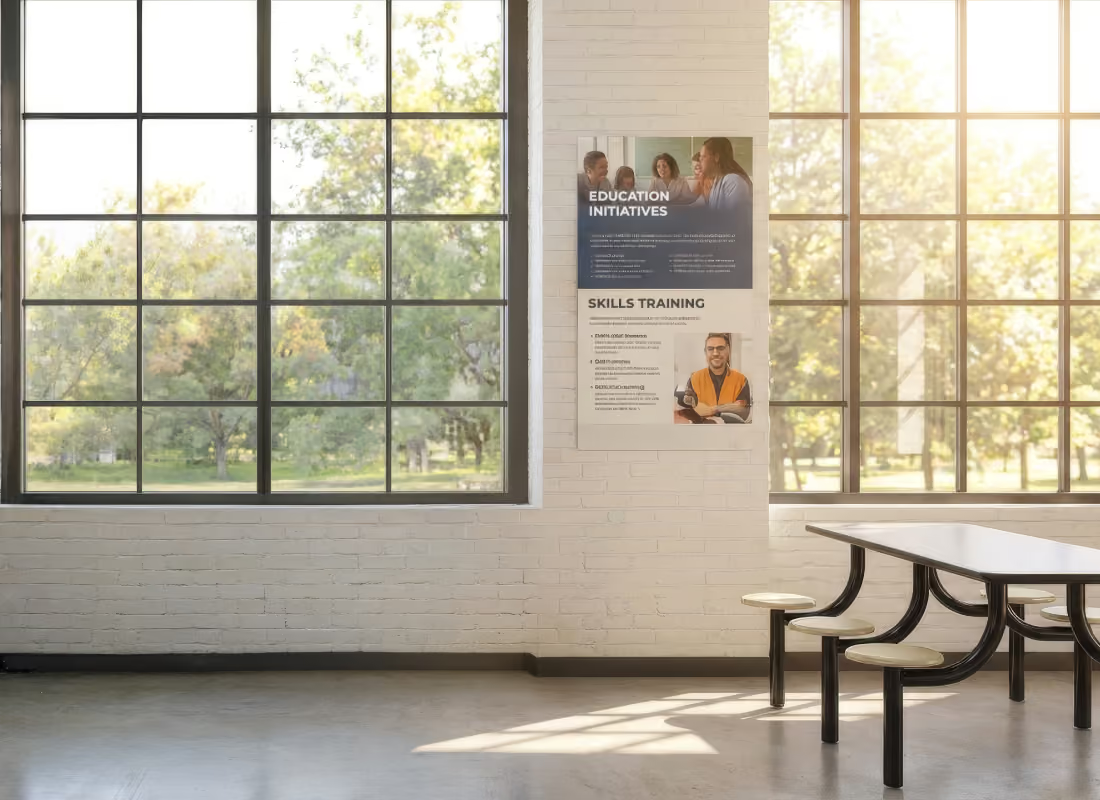
The OnMed CareStation® enables many non-emergent medical visits to be completed on-site, reducing avoidable off-site transports for individuals in custody. Fewer transports can reduce escort demands, transportation costs, and security exposure. The care space accommodates an individual and two officers, supporting established facility protocols.
For individuals in custody, the CareStation connects them with licensed clinicians in real time for appropriate non-emergent care. On-site evaluation reduces reliance on transportation and off-site medical visits.

The CareStation extends existing healthcare services rather than replacing them. OnMed provides clinicians, technology, and operational support as a fully managed solution, helping facilities expand capacity without hiring additional full-time clinical staff.
Beyond acute illnesses and respiratory symptoms, the CareStation supports chronic disease management, follow-up visits, medication-related concerns, and general primary care services.
Chronic disease management requires ongoing monitoring and follow-up. The CareStation connects individuals in custody with clinicians for care of conditions such as hypertension and diabetes, supporting continuity within the facility’s existing care model.
Designed for rapid deployment, the CareStation can typically become operational within approximately 45 days. It requires only an electrical outlet and does not require major construction or facility renovations.
In Nevada, the Department of Corrections selected the CareStation for deployment across three correctional facilities, providing a real-world example of on-site clinical care being implemented within a state corrections system. The deployment was designed to expand healthcare access while reducing the operational challenges associated with off-site care. Read the Nevada Department of Corrections announcement.
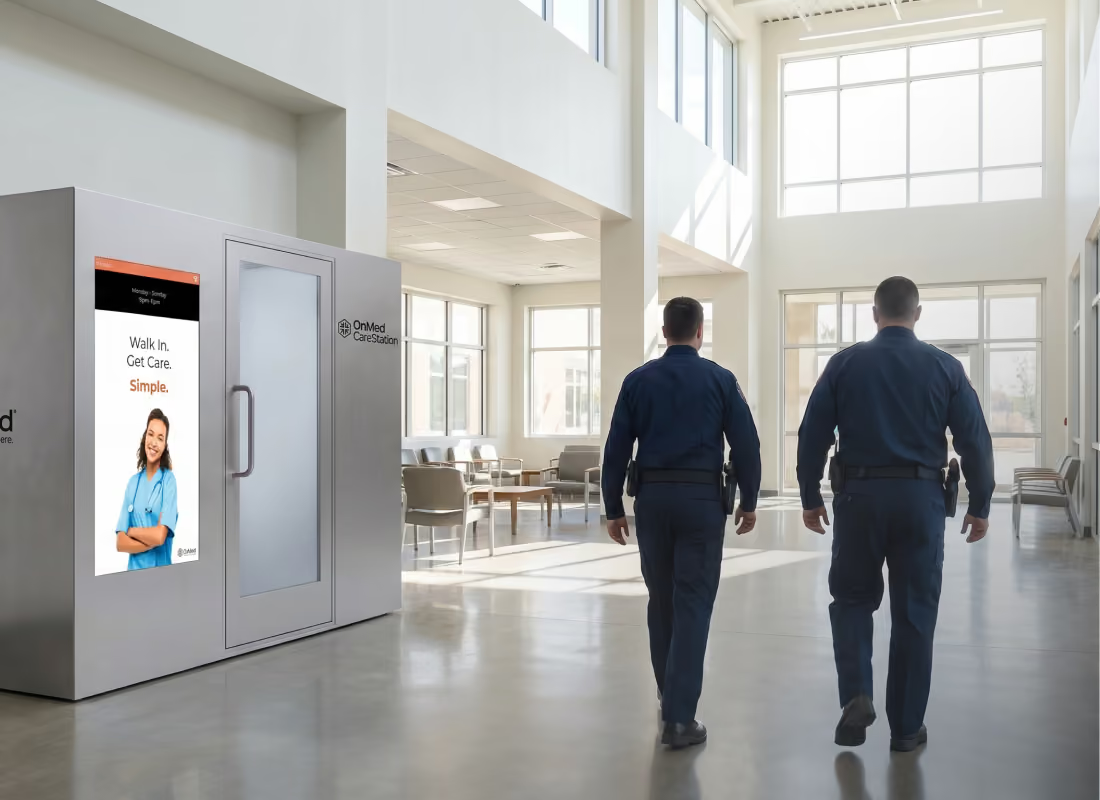
The OnMed CareStation® is an 8'×10' “Clinic-in-a-Box” that places a private clinic space inside the facility and connects individuals in custody with licensed clinicians in real time on a 55-inch HD display. Integrated diagnostic tools, including a digital stethoscope, pulse oximeter, blood pressure monitoring, thermal imaging, and high-definition examination capabilities, support a clinical-grade evaluation, from skin, throat, eyes, ears, and wounds to core vitals.
The space accommodates an individual and two officers, so established facility protocols stay in place. OnMed provides the clinicians, technology, and operational support as a fully managed solution, and the unit requires only a standard electrical outlet.
On-site care offers correctional systems a practical way to expand access while supporting the teams responsible for delivering it. The CareStation brings non-emergent clinical care into the facility, helping reduce avoidable transports and extend existing services. The aim is timely, consistent care that fits each facility’s security and operational needs.
Read A Smarter Model for Correctional Facility Healthcare. Explore how the OnMed CareStation® supports on-site healthcare in correctional facilities.
Interested in bringing a CareStation to your correctional facility? Contact us.
The OnMed CareStation® is an 8-by-10-foot "Clinic-in-a-Box" that connects patients in real time with licensed clinicians and integrated diagnostic tools through a fully integrated device and human platform. Patients can walk in and receive a diagnosis, treatment plan, and e-prescription, often without an appointment or waiting room. Unlike traditional telehealth, the CareStation combines virtual care with diagnostic tools, real-time scans, and vital sign monitoring to support comprehensive clinical evaluations where care is needed most. See how a CareStation visit works.
On-site healthcare improves access to care, reduces delays in treatment, minimizes off-site transports, supports chronic disease management, enhances operational efficiency, and helps facilities deliver a more consistent healthcare experience while maintaining security protocols. Rather than waiting for transportation and outside appointments, incarcerated individuals can connect with licensed clinicians in real time, helping address health concerns sooner and improving continuity of care.
The OnMed CareStation® provides a consistent care model across facilities, helping correctional systems deliver a more standardized patient experience while improving operational visibility. This can be especially valuable for state prison systems, county jail networks, and organizations managing multiple locations.
Yes. By resolving many routine and non-emergent healthcare needs on-site, the CareStation can help reduce transportation expenses, minimize overtime associated with medical escorts, decrease operational disruption, and improve the efficiency of healthcare delivery.
Yes. The CareStation is designed to support existing clinical workflows and care delivery models. It can help facilities expand access and capacity while maintaining continuity of care across providers and locations. See how the CareStation could fit into your facility’s healthcare workflows.
Follow along as we continue to redefine the healthcare landscape and bring the OnMed CareStation to communities across the U.S.