The Importance of Preventative Healthcare: Now More Than Ever
.avif)
Preventative healthcare has always been central to long-term wellbeing, but its importance has never been greater. Rising rates of chronic disease, increasing healthcare costs, and widening access gaps have created an environment where prevention is essential—not just for individuals, but also for employers and the broader healthcare system.
America’s Health Rankings 2025 Annual Report, analyzed 99 health metrics from 31 distinct data sources to provide a complete picture of how health is manifesting at both the national and state levels. Their findings indicate a dire need for preventative healthcare.
Today, 167 million Americans delay care, and 120 million of those delays are due to lack of adequate access. This widespread pattern of delayed care leads to later diagnoses, more severe disease progression, and higher long-term costs. At the same time, 11,000 people age into Medicare every day, putting additional strain on the system and highlighting the need for earlier, more proactive approaches to health.
The Growing Need for Prevention
The rise of lifestyle related health risks shows just how important prevention has become. Seventy-five percent of Americans are overweight, and one in three live with at least one chronic condition that requires ongoing management. These conditions contribute significantly to national healthcare costs and are strongly influenced by preventable or modifiable factors.
New national data shows that adults living with three or more chronic conditions increased by 6% in just one year—a shift that represents millions more Americans managing complex conditions simultaneously.
Routine screenings offer some of the best tools for catching disease early, long before symptoms appear. Preventative healthcare includes everything from blood pressure checks and cholesterol monitoring to diabetes screenings, cancer assessments, vaccinations, and regular wellness visits. Early detection improves outcomes and reduces the likelihood that patients will need complex or costly interventions later.
Why Preventative Care Is Being Missed
Despite its proven value, preventative care often goes underutilized. Time constraints, high out-of-pocket costs, limited clinic availability or complete lack of access, and uncertainty about when to seek care all contribute to people postponing necessary check-ins.
The access gap remains one of the most significant barriers, affecting millions each year. Convenience and proximity matter—people are far more likely to engage in preventative care when it is easily accessible and fits naturally into their daily routines.
Nearly half of consumers wait one to three weeks for a primary care appointment, and many wait months to see a specialist, creating delays that make early detection far more difficult.Convenience now plays a central role in healthcare engagement, with one-quarter of consumers saying they would switch providers for more accessible or virtual care options (source).
The Employer Perspective: Healthcare Costs Are Rising
The America’s Health Rankings Annual Report further shows that employees with multiple chronic conditions generate significantly higher costs—driven by specialty medications, frequent healthcare utilization, and increased absenteeism—reinforcing the financial importance of early detection and preventative care.
Employers are feeling the weight of these challenges. U.S. employers project a median 9% increase in healthcare costs for 2026, driven largely by chronic disease, medical inflation, and increased service utilization (source). Additionally, the cost of prescription drugs continues to rise, with specialty medications adding further strain. GLP1 medications for diabetes and weight management have become a significant driver of employer pharmacy spending, prompting many employers to introduce new coverage guardrails and clinical requirements to manage rising costs (source).
For the first time, mental health has become one of the top drivers of employer healthcare spending, and an estimated one quarter of Americans will access behavioral health services by 2026, a trend that is prompting employers to invest in more accessible mental health solutions, including virtual counseling, onsite support, and early screening tools (source). Employers are responding by investing in more accessible mental health resources, including virtual counseling, onsite services, and early screening tools.
As expectations shift, employers are increasingly prioritizing fast, convenient access to care, recognizing that accessibility and speed significantly influence employee satisfaction and benefit utilization.
These trends make preventative healthcare not only a health priority, but also a strategic economic imperative for organizations striving to control costs while supporting a healthy workforce.
Technology’s Role in Expanding Preventative Care
Digital health tools, remote monitoring, and telehealth have transformed how people engage with preventative care. These technologies reduce barriers related to scheduling, geography, and time, while enabling individuals to access clinicians, monitor vitals, and manage chronic conditions more consistently. This evolution shifts preventative care into everyday environments rather than limiting it to traditional clinic visits.
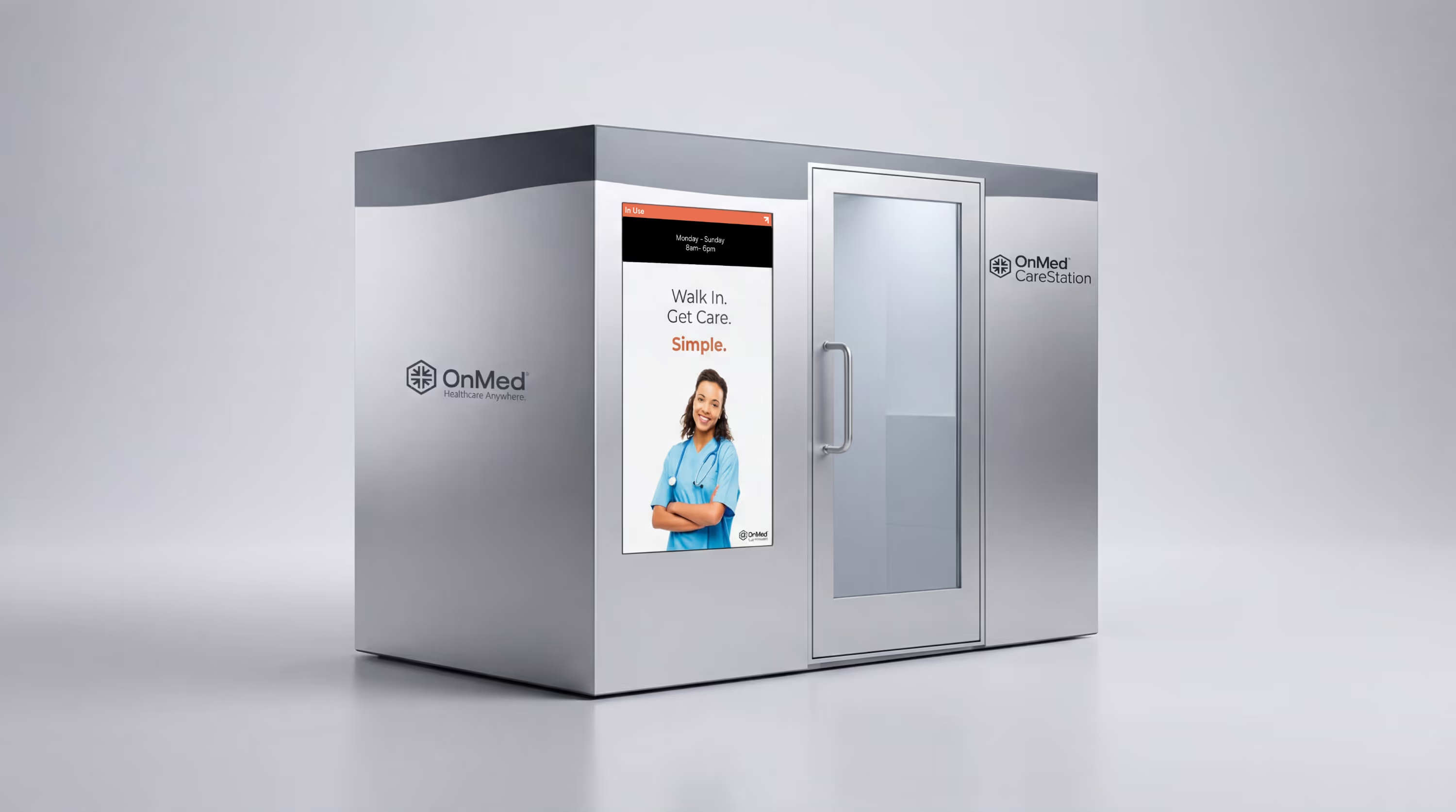
How the OnMed CareStation™ Strengthens Preventative Healthcare
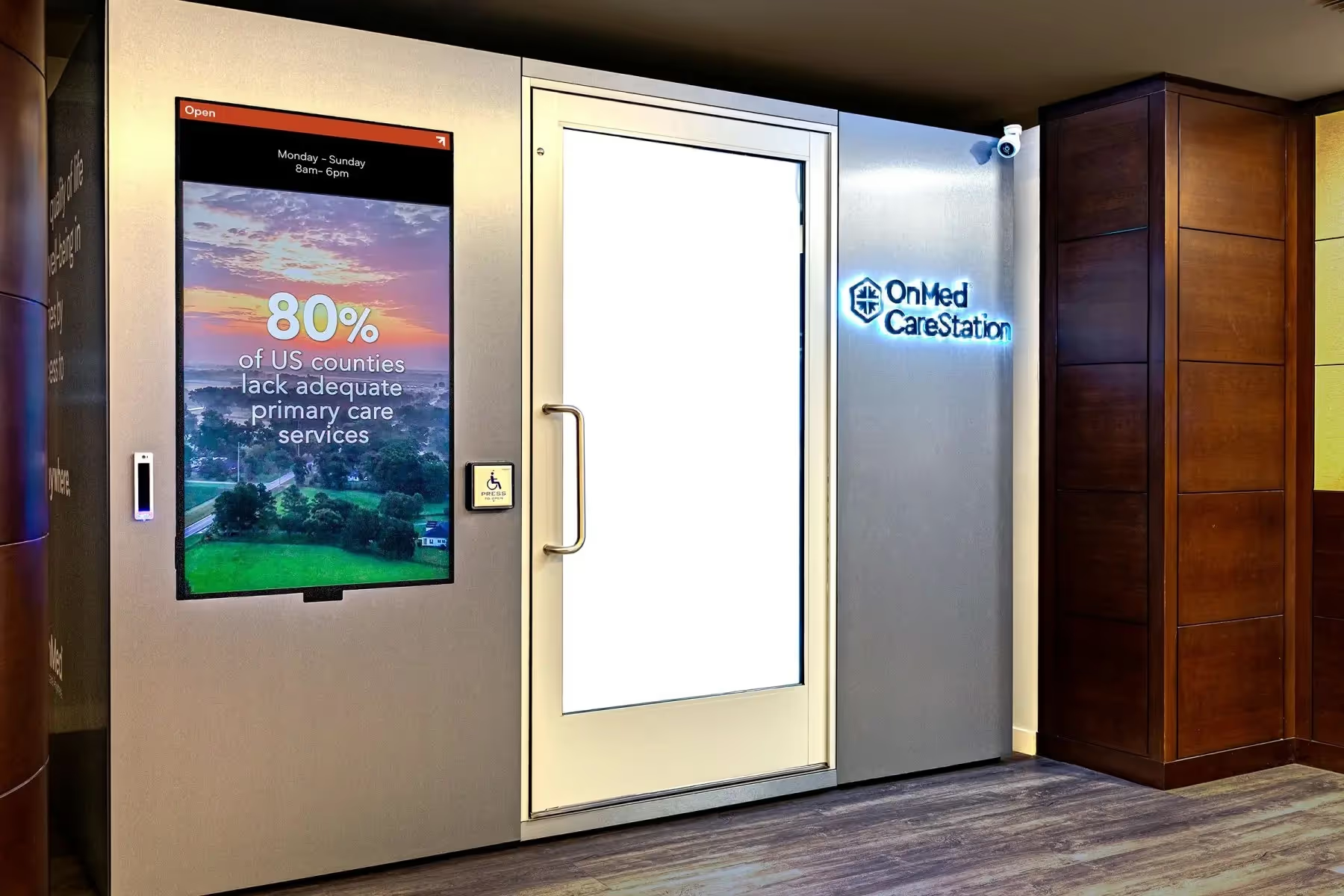
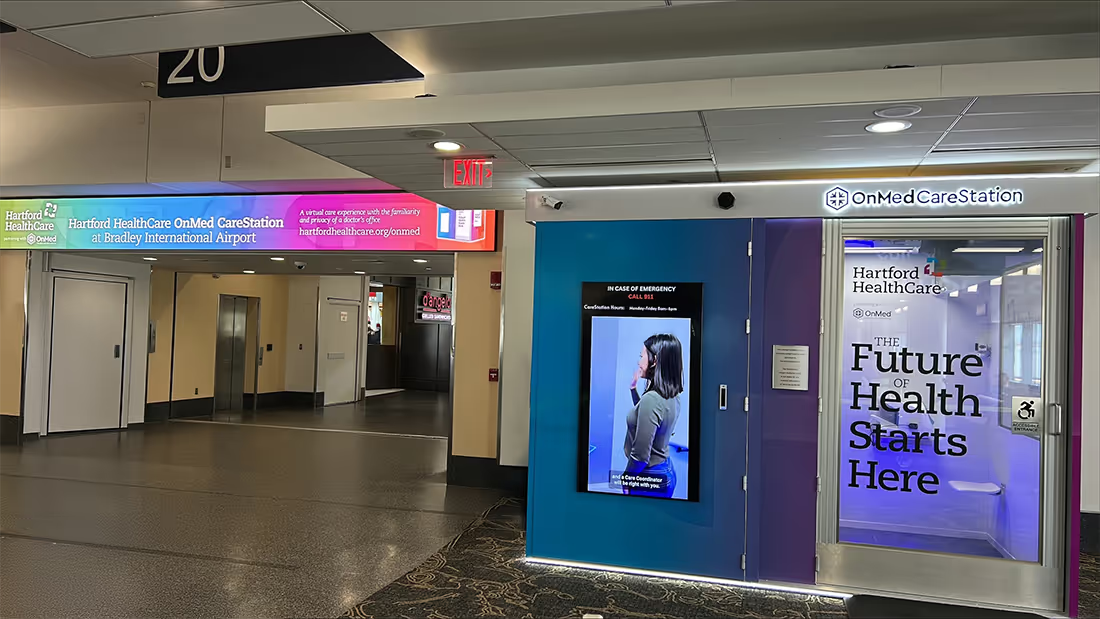
Within this changing landscape, the OnMed CareStation™ offers a practical and scalable way to expand access to preventative care. Designed as a patented “Clinic-in-a-Box,” it connects patients with licensed clinicians in real time and uses integrated diagnostic tools to support immediate evaluation and treatment. Patients can receive a diagnosis, a personalized care plan, and—when appropriate—an e-prescription during a single visit.
CareStation clinicians provide a human, personalized experience and can collect vital signs such as blood pressure, oxygen levels, temperature, and weight, enabling early detection of emerging issues. The CareStation is equipped with comprehensive tools including a digital stethoscope, hi-definition camera, and thermal scanner, allowing evaluations for a wide range of early indicator conditions, including respiratory symptoms, allergic reactions, skin conditions, digestive issues, headaches, and musculoskeletal complaints. It also offers mental health screenings and can support patients in 240 languages.
One of the strongest indicators of its effectiveness is that 82% of patients are able to be treated within the CareStation without needing to be redirected to a specialist, urgent care, or emergency department. This high rate of first touch resolution not only improves patient outcomes but also helps reduce unnecessary downstream costs and barriers to care.
Why CareStation Access Matters for Employers
As rising healthcare costs, chronic condition prevalence, and workforce expectations converge, employers are increasingly turning toward onsite or near-site solutions that simplify access to preventative services. Younger employees, in particular, want flexible, convenient care options, and organizations that provide them see higher engagement and improved outcomes.
Employers are expanding access across three key dimensions—onsite care, convenient nearby options, and virtual/digital offerings—making hybrid models like the CareStation an effective fit for modern workforce needs.
The CareStation aligns naturally with these needs. By making clinician guided preventative care available where people already work, study, or travel, it helps catch conditions early, supports chronic disease management, fills mental health screening gaps, and reduces the likelihood that health concerns escalate into costly interventions.
By bringing immediate, convenient access directly to the places employees already spend their time, the CareStation aligns with the growing demand for speed, simplicity, and flexible care delivery.
A Foundation for a Healthier Future
Preventative healthcare is most powerful when it becomes a routine part of everyday life. When individuals embrace early action, when workplaces support convenient access to care, and when solutions like the OnMed CareStation remove longstanding barriers, communities become healthier and avoidable complications decline. Prevention improves long-term wellbeing, strengthens organizational health, and reduces strain on the broader healthcare system.
It is more than a healthcare strategy—it is an investment in quality of life for individuals, families, employers, and the healthcare system as a whole.
Ready to make preventative care more accessible for your workforce?
Discover how the OnMed CareStation™ brings real‑time clinical care, screenings, and early detection tools directly onsite, helping employers reduce costs and keep employees healthier.
Schedule a demo to see how the OnMed CareStation™ can transform preventative healthcare in your organization.
About OnMed
OnMed is transforming how the world accesses healthcare. With its patented OnMed CareStation™, an 8×10 foot “Clinic-in-a-Box”, OnMed delivers comprehensive, immediate care wherever people live, work, and learn. The OnMed CareStation is a tech-enabled, AI-powered, and human-delivered platform that blends the comprehensiveness of traditional in-person care with the rapid scalability of telemedicine. Each CareStation serves as a local access point within a scalable, connected grid that delivers everyday healthcare at scale.
Powered by public-private partnerships across insurers, healthcare providers, governments, employers, and educational institutions, OnMed is redefining healthcare access, closing critical gaps, restoring trust, and strengthening the health and economic resilience of communities everywhere. Learn more at www.onmed.com.
Explore more content








.avif)



















.avif)